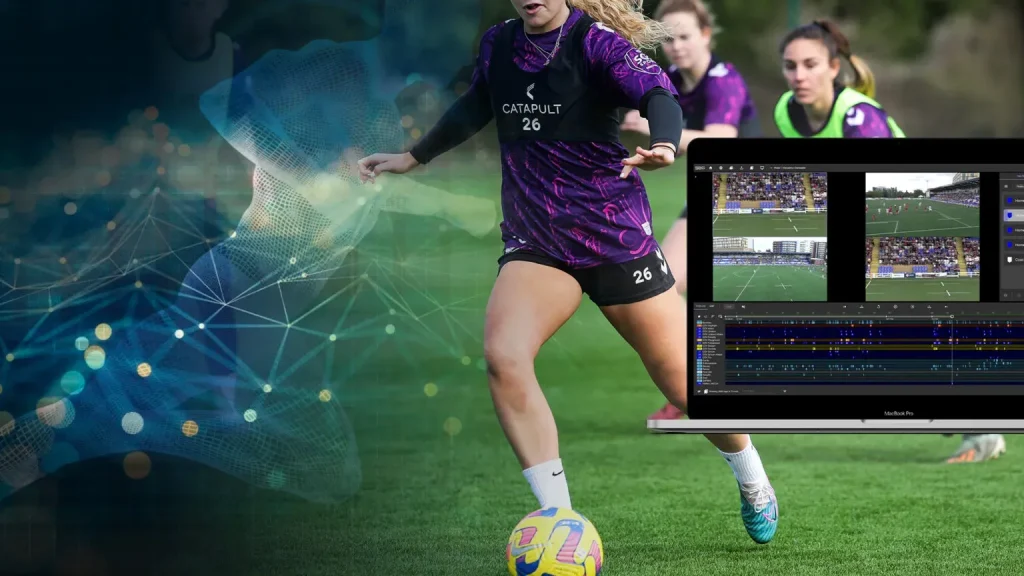
The Future of sports technology is reshaping how athletes train, compete, and recover. From wearables in sports to AI in sports analytics, the ecosystem turns data into real-time insights that inform every drill. Smart gear for athletes, embedded in clothing and equipment, delivers immediate feedback that guides technique, load management, and injury prevention. Performance analytics in sports helps coaches translate metrics into practical actions, while digital coaching tools scale expertise across teams and individuals. As adoption expands, this evolving landscape promises safer training, longer careers, and measurable gains powered by a data-driven approach.
As the field evolves, sensor-enabled equipment and intelligent software create a connected training environment. This shift moves beyond dashboards to proactive guidance, with predictive models signaling when a player is approaching fatigue or injury risk. Organizations invest in cloud-enabled analytics, wearable sensing, and mobile coaching platforms to extend expertise to every athlete, regardless of location. Ethical considerations, data governance, and fair access become essential to ensure technology enhances health and performance without compromising privacy.
1) Wearables in sports: redefining training language and real-time feedback
Wearables in sports have evolved from simple heart-rate monitors to comprehensive systems that track GPS position, acceleration, and biophysical signals. Today’s devices—multi-sensor patches, sensor-embedded apparel, and even recovery monitors—create a living map of an athlete’s performance tendencies across workouts, games, and rehab. This expansion of wearables in sports provides richer context, helping coaches and scientists understand pacing, load, and movement quality with unprecedented granularity.
The power of wearables in sports goes beyond data collection. Real-time feedback during drills can influence technique on the fly, allowing athletes to fine-tune mechanics mid-session. At the team level, wearable data informs strategic decisions—from load management and travel planning to substitution patterns—ensuring that both individual needs and season-long objectives are balanced for sustainable performance.
2) AI in sports analytics: turning data into strategy
As data collection accelerates, AI in sports analytics turns raw numbers into actionable intelligence. Machine learning models sift through biometric signals, biomechanical metrics, and tactical positioning to forecast performance trajectories and injury risk. This isn’t about predicting every play; it’s about surfacing patterns humans might miss and suggesting targeted adjustments that can elevate training efficiency.
AI in sports analytics also enables scalable, personalized insights. Systems can generate benchmarks tailored to each athlete, making performance analytics in sports more precise and context-aware. Coaches and medical staff receive alerts when a metric deviates, and athletes gain concrete actions—such as refinements to sprint mechanics or recovery protocols—based on predicted readiness and past trends.
3) Smart gear for athletes: sensors that move with the game
Smart gear for athletes is expanding beyond wearables to sensor-embedded apparel, gloves, and protective equipment. These devices place high-resolution sensors in direct contact with the body and equipment, delivering immediate feedback during movement. Smart compression garments can monitor muscle activity, while haptic gloves provide tactile cues to optimize grip and release, offering an almost seamless feedback loop between effort and technique.
The immediacy of smart gear for athletes helps blur the line between training and competition. Real-time analytics streamed to coaches and, in some cases, players themselves, help maintain optimal intensity, cadence, and biomechanics. In precision-demand sports like basketball, soccer, or tennis, smart gear supports consistent performance across a season by maintaining proper load balance and movement quality.
4) Performance analytics in sports: turning metrics into meaningful outcomes
Performance analytics in sports has shifted from a supplementary tool to a central pillar of modern training. Meaningful metrics—such as velocity, force production, oxygen uptake, and workload balance—are translated into actionable adjustments through interpretable dashboards. This approach helps teams track trends over time, compare athletes against individualized baselines, and connect training loads to on-field performance.
This discipline also extends into rehabilitation and return-to-play decisions. After injury, performance analytics in sports quantify recovery progress, ensuring athletes resume competition at appropriate intensity. By reducing guesswork and enabling transparent communication among players, coaches, and medical staff, data-driven decisions improve readiness assessments and support safer, more effective returns.
5) Digital coaching tools: virtual coaching, remote feedback, and scalable instruction
Digital coaching tools are transforming how athletes learn and refine skills, regardless of location. Virtual coaching platforms enable remote feedback loops where coaches review video, annotate technique, and prescribe drills that an athlete can perform anywhere. This is particularly valuable for athletes with limited access to specialized facilities or who must train while traveling.
These tools also enable more personalized learning experiences by integrating wearable data, AI-driven insights, and video analysis. Coaches can tailor sessions to an athlete’s strengths and weaknesses, helping athletes understand the rationale behind each drill and accelerating skill acquisition. The result is a scalable coaching model that supports squads, academies, and development programs without sacrificing quality.
6) Future of sports technology: convergence, adoption, and ethics
Looking ahead, the Future of sports technology is defined by the convergence of wearables in sports, AI in sports analytics, smart gear for athletes, and digital coaching tools. We can anticipate more seamless data pipelines, with sensors feeding real-time dashboards that athletes access on the field, in the gym, or at home. Personalization will become standard, with training prescriptions that adapt to an evolving data profile and increasingly reliable predictions of performance and readiness.
As technology becomes more accessible, adoption will hinge on governance, privacy, and inclusivity. Teams must navigate data ownership, access control, and ethical considerations to protect athlete well-being. Investment decisions should balance upfront costs with long-term benefits, while sustaining human oversight to prevent bias and ensure fair use of analytics in selection and development. The Future of sports technology is about augmenting human expertise—providing better insights to coaches and athletes alike while maintaining trust, autonomy, and the joy of sport.
Frequently Asked Questions
What is the Future of sports technology and why is it shaping modern training?
The Future of sports technology describes an integrated ecosystem where wearables in sports, AI in sports analytics, smart gear for athletes, performance analytics in sports, and digital coaching tools work together to turn data into real-time, actionable insights. This convergence is redefining training, competition, and recovery by making data-driven decisions practical for athletes and coaches.
How do wearables in sports influence the Future of sports technology in daily training?
Wearables in sports provide a continuous data stream from GPS, heart rate, and biomechanical sensors, enabling real-time feedback and load management. They help prevent overtraining, optimize session volume, and guide return-to-play decisions, aligning micro-level drills with macro-level strategy.
What value does AI in sports analytics bring to the Future of sports technology?
AI in sports analytics turns raw data into actionable strategy by forecasting performance trajectories and injury risk using machine learning on biometric and biomechanical metrics. It delivers personalized benchmarks, supports conditioning decisions, and informs rotation and matchup planning.
In what ways does smart gear for athletes integrate with digital coaching tools?
Smart gear for athletes, including sensor-embedded apparel and gloves with haptic feedback, provides high-resolution movement data in real time. Digital coaching tools blend this data with video analysis to deliver remote feedback, tailored drills, and scalable guidance for teams and individuals.
Why is performance analytics in sports central to the Future of sports technology?
Performance analytics in sports focuses on meaningful metrics and intuitive dashboards, translating data into concrete training adjustments, recovery planning, and return-to-play decisions. It connects every drill and game to measurable outcomes, aligning coaching with athlete development.
What practical challenges should teams expect when adopting the Future of sports technology, and how can digital coaching tools help?
Adoption challenges include data governance, privacy, data integration, cost, and securing athlete buy-in. Digital coaching tools help by enabling remote feedback, scalable instruction, and clear, data-driven communication that builds trust and accelerates adoption.
| Topic / Area | Key Points | Impact / Benefits |
|---|---|---|
| Wearables in sports | Beyond heart-rate and steps: GPS trackers, multi-sensor patches, motion sensors in apparel, plus sleep/recovery monitoring. Data maps performance across workouts, games, and rehab. Real-time feedback can influence technique mid-session. Team-wide data informs substitutions, travel, and load balancing; supports micro- and macro-level planning. | Improved technique, optimized training loads, safer return-to-play, smarter squad decisions. |
| AI in sports analytics | Machine learning analyzes biometric signals, biomechanics, tactical data, and game outcomes to forecast performance and injury risk. Highlights patterns humans might miss and suggests targeted adjustments. Enables conditioning optimization, fatigue prediction, customized speed/endurance work, and in-game rotation/ matchup decisions. Provides personalized benchmarks and scalable insights; AI-driven feedback translates to concrete actions. | Better decision-making, personalized training, proactive injury prevention, scalable analytics. |
| Smart gear for athletes | Sensors embedded in apparel, gloves, and protective equipment deliver high-resolution feedback during real-time movement. Examples include smart compression garments that monitor muscle activity and gloves with haptic sensors for grip/ release cues. Immediacy allows rapid adjustments to avert injury and improve technique; devices support real-time coaching on load, cadence, and biomechanics in training and competition. | Immediate feedback, improved technique, better load management, safer play. |
| Performance analytics in sports | Focus on meaningful metrics (velocity, force production, oxygen uptake, movement efficiency, workload balance) translated into actionable insights. Use interpretable dashboards to show trends, compare against baselines, and link training loads to game performance. Plays a role in rehabilitation and return-to-play decisions by quantifying recovery progress. Reduces guesswork and improves readiness communication among players, coaches, and medical staff. | Clear decision support, objective progress tracking, data-driven rehab and return-to-play. |
| Digital coaching tools | Virtual coaching enables remote feedback loops: video review, technique annotation, and prescribed drills athletes perform independently. Personalization comes from combining wearable data, AI insights, and video analysis to tailor sessions to individual strengths and weaknesses. Scales coaching across squads, academies, and development programs, improving engagement and accelerating skill acquisition. | Wider access to high-quality coaching, scalable instruction, faster skill development. |
| Implementation, challenges, and ethical considerations | Data governance and privacy: ownership, storage, access, and consent. Data integration: ensuring devices and platforms work together. Cost and accessibility: scalable solutions for smaller clubs and athletes. Athlete buy-in and acceptance of data-driven approaches. Fairness and bias: auditing analytics; human oversight and transparency in decision-making. | Better governance, higher adoption rates, trust and compliant use of data and AI. |
| The road ahead: integrating wearables, AI, and smart gear into everyday practice | Convergence will yield seamless data pipelines and real-time dashboards accessible on-field, in-gym, or at home. Expect personalized training prescriptions and broader adoption as barriers fall. Partnerships between tech providers, sports scientists, and coaching staffs will drive humane, athlete-centered innovation rather than pure automation. | A more connected, data-driven, and athlete-focused sports ecosystem with sustainable performance improvements. |
| Conclusion | The future trajectory emphasizes integrating wearables, AI, smart gear, and digital coaching to inform and optimize training, performance, and health. | Leads to safer careers, clearer performance gains, and more evidence-based decision-making across teams and athletes. |
Summary
Conclusion: A descriptive synthesis of the base content highlights how wearables, AI, and smart gear, along with digital coaching tools, are reshaping modern sport through data-informed training, performance optimization, and health management. The evolving ecosystem emphasizes practical adoption, ethical data use, and human-centered innovation to unlock safer, more sustainable athletic development.