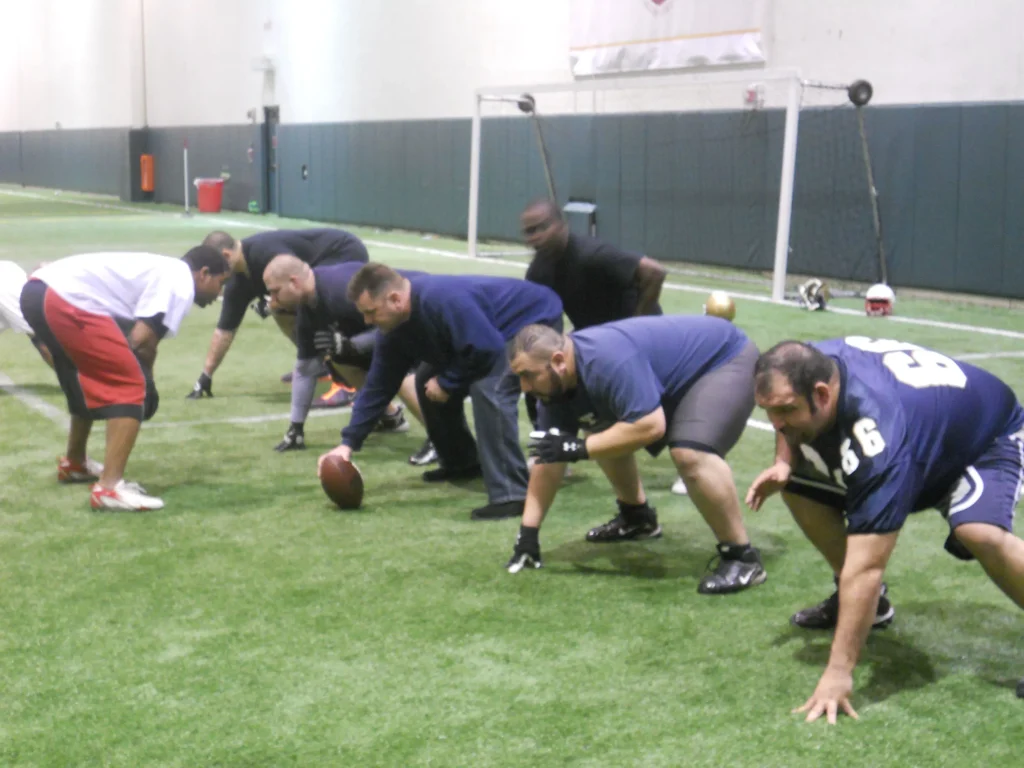
Nutrition timing in sports performance is a powerful lever that aligns fueling with training to maximize energy availability and recovery. Smart meal timing and pre-workout nutrition strategies help athletes perform with steadier effort and clearer focus. By coordinating carbohydrates, protein, and fluids around workouts, this approach supports glycogen restoration and muscle repair. This rhythm helps sustain energy on training days and primes recovery without unnecessary fat gain. Whether you’re a sprinter, a marathoner, or a team athlete, smart fueling can boost performance across blocks.
LSI-informed fueling around training moves the discussion from fixed rules to adaptable patterns that fit real-life schedules. In practical terms, athletes time carbohydrates and protein with workouts to support energy, recovery, and adaptation, while emphasizing post-workout nutrition after hard sessions. A broader view describes fueling windows, daily protein distribution, and hydration strategies as a connected system that adapts to training phase. This framing helps athletes avoid rigid timing diktats and instead build sustainable habits that support performance, health, and long-term progress. By pairing practical guidelines with individualized testing, coaches can tailor fueling plans that feel intuitive and effective.
Nutrition timing in sports performance: aligning meals with energy demands for peak results
Nutrition timing in sports performance is a strategic tool that shapes energy availability, recovery speed, and adaptive responses to training. When meals align with training demands, glycogen stores are supported, hydration is optimized, and the muscles receive substrates to repair and grow. This perspective goes beyond simply choosing nutritious foods; it emphasizes when those foods are consumed to maximize performance and adaptation.
By planning around pre-, intra-, and post-workout periods, athletes can sustain cognitive focus during sessions and accelerate refill of energy substrates after exertion. The approach also supports a balanced daily rhythm through meal timing for athletes, helping to manage appetite, sleep, and injury risk while using nutrition timing as a practical performance lever within sports performance nutrition.
Pre-workout nutrition for performance: fueling the body before you train
Pre-workout nutrition sets the tone for intensity and endurance. A well-timed meal or snack provides rapid energy and helps spare muscle tissue during longer or more demanding sessions. The exact timing and composition depend on tolerance, schedule, and workout characteristics, but common patterns include carbohydrate targets of 1–4 g/kg 1–4 hours before exercise and a modest protein boost to support amino acid availability.
Hydration and electrolytes matter as well, since starting a session in a well-hydrated state improves performance and reduces perceived effort. For morning training, a lighter, easily digestible option 30–60 minutes prior can be suitable for some athletes, while later-day sessions may tolerate larger pre-workout meals. This is a practical example of sports performance nutrition in action, illustrating how meal timing for athletes shapes workout quality.
Intra-workout fueling: sustaining energy through longer sessions
During training, especially endurance or extended resistance sessions, intra-workout fueling helps sustain energy and reduce fatigue. Consuming carbohydrates at a rate of roughly 30–60 g per hour (adjusted for body size and tolerance) provides a steady glucose supply and supports performance across the session.
Sports drinks, gels, or easily digestible carbohydrate sources can be chosen based on preference and gastrointestinal comfort. Hydration and electrolyte intake should be maintained during extended efforts, and it’s important to consider how this intra-workout nutrition interacts with overall nutrition timing and the day’s training load.
Post-workout nutrition for recovery and adaptation
Post-workout nutrition is a critical window for glycogen replenishment and muscle repair. Prioritizing carbohydrates paired with protein accelerates recovery and promotes adaptations, ideally within the first 1–2 hours after exercise, though some athletes may benefit from timely intake slightly later depending on schedule.
Guidelines typically recommend about 1–1.2 g/kg/hour of carbohydrates for the first 4–6 hours post-exercise, and a protein intake of 0.25–0.4 g/kg as soon as possible to support muscle protein synthesis. Hydration should replenish lost fluids and electrolytes, and consistent post-workout nutrition helps sustain performance across successive training days as part of ongoing sports performance nutrition planning.
Meal timing for athletes: integrating daily rhythm with training demands
Beyond the immediate workout windows, distributing protein across meals and timing carbohydrate-rich meals around training days supports ongoing muscle protein synthesis and glycogen maintenance. A practical daily rhythm includes a balanced breakfast, a pre-workout meal or snack, a post-workout meal, and evenly spaced meals to sustain energy and appetite regulation.
This approach aligns with the broader concept of meal timing for athletes, aiming to balance energy availability with recovery needs. Practical tips include meal prepping, carrying portable snack options, and adjusting timing around travel or competitions to maintain consistent nutrition timing and performance.
Sport-type and individual differences in nutrition timing
Athletes in endurance-focused sports may emphasize larger carbohydrate strategies and more frequent intra-workout fueling, while strength-focused athletes often prioritize protein timing to maximize muscle protein synthesis and manage energy balance. Tailoring nutrition timing to sport type helps optimize the specific energy systems used.
Individual differences in digestion, sleep, training phase, and tolerance require personalization. During high-volume blocks, carbohydrate availability may rise, while tapering or off-season periods may shift toward stability and recovery. Tracking responses and iterating with coaching or sports nutrition support ensures the plan remains aligned with performance goals.
Frequently Asked Questions
What is nutrition timing in sports performance and why does it matter for athletes?
Nutrition timing in sports performance is the practice of aligning when you eat with training demands to optimize energy, recovery, and adaptation. It matters because proper timing supports glycogen replenishment, muscle protein synthesis, hydration, and overall performance across workouts. A practical approach centers on pre-, intra-, and post-workout strategies that balance carbohydrates, protein, and fluids.
How does pre-workout nutrition influence performance in sports performance nutrition planning?
Pre-workout nutrition provides readily available energy and can improve effort and endurance. Typical guidelines include 1–4 g/kg of carbohydrate 1–4 hours before exercise, 20–40 g of protein to support amino acid availability, and fluids with electrolytes to stay hydrated. The exact timing should fit your tolerance and schedule to avoid gastrointestinal distress.
What role does post-workout nutrition play in recovery and performance?
Post-workout nutrition is a critical window for glycogen replenishment and muscle repair. Aim for about 1–1.2 g/kg carbohydrate per hour for the first 4–6 hours after exercise, plus 0.25–0.4 g/kg protein (roughly 20–40 g) soon after training. Hydration with fluids and electrolytes completes the recovery plan and supports performance in subsequent sessions.
How should meal timing for athletes be structured across a typical training day?
Meal timing for athletes should support steady energy and recovery throughout the day. Plan evenly spaced meals with adequate protein and include carbohydrates around training sessions. A practical pattern is a balanced breakfast, a pre-workout meal or snack, a post-workout meal, and regular meals to sustain energy and appetite regulation.
How should athletes adjust nutrition timing for endurance versus strength training within sports performance nutrition?
Endurance athletes typically emphasize larger carbohydrate targets and more frequent intra-workout fuel, while strength-focused athletes prioritize timely protein around training with moderate carbohydrate intake. In sports performance nutrition, tailor targets to the training block: higher carbs during heavy endurance loads and protein-centered timing after resistance work, with adjustments for the season and training goals.
What are common mistakes in nutrition timing for athletes and how can I avoid them in sports performance nutrition?
Common mistakes include assuming a one-size-fits-all schedule, skipping the post-workout meal, neglecting hydration, and failing to plan around travel or competition. To optimize nutrition timing, personalize timing and targets, prioritize whole foods, plan ahead with a schedule, and reassess regularly with a coach or sports nutritionist.
| Topic | Key Points | Practical Takeaways |
|---|---|---|
| Definition and goal | Nutrition timing aligns intake with training demands to optimize glycogen stores, protein synthesis, hydration, and overall performance. | Plan meals and snacks to match the training schedule; prioritize carbs and protein around workouts; stay hydrated. |
| Core science | Carbohydrates fuel high-intensity efforts; insulin response and muscle protein synthesis drive recovery; hydration is essential. | Time carbohydrates around training; include protein post-exercise; maintain hydration. |
| Pre-workout nutrition | 1–4 g/kg carbohydrates 1–4 hours before; 20–40 g protein; fluids and electrolytes. | Tailor timing to tolerance and schedule; choose easily digested carbs if needed; include some protein. |
| During training | Intra-workout carbs 30–60 g/hour to sustain energy; helpful for sessions >60–90 minutes or high intensity. | Use sports drinks, gels, or easily digestible carbs; adjust to tolerance and digestive comfort. |
| Post-workout nutrition | Post-workout window is optimal for glucose and amino acid uptake; carbohydrates with protein support recovery and glycogen resynthesis. | Within 1–2 hours after training, consume carbs 1–1.2 g/kg/hr for 4–6 hours; protein 0.25–0.4 g/kg; rehydrate. |
| Daily meal timing | Distribute protein across meals; include carbohydrate around training days to sustain energy and glycogen stores. | Balance breakfasts, pre-workout meals, post-workout meals, and evenly spaced meals to regulate energy and appetite. |
| Athlete considerations | Endurance vs. strength needs; training phase and goals; individual differences in digestion and tolerance. | Tailor carb and protein amounts and timing to the athlete; test and adjust for personal response. |
| Practical tips | Avoid one-size-fits-all; prioritize whole-food carbohydrates and high-quality proteins; stay hydrated; plan ahead; adapt for travel. | Experiment with schedules, keep hydration strategies handy, and plan meals around workouts and travel. |
| Putting it into practice | Example daily pattern with meals and timing around workouts. | Follow a structure: breakfast, pre-workout snack, intra during long sessions, post-workout meal within 1–2 hours, and evenly spaced meals. |
| Measuring progress | Track energy levels, mood, sleep quality, training performance, and recovery markers; reassess with a coach or nutritionist. | Keep logs and adjust timing as training load changes. |
Summary
Nutrition timing in sports performance is a practical, science-based approach to optimizing energy availability, recovery, and athletic gains across training cycles. By aligning meals and snacks with training demands and emphasizing a balance of carbohydrates, protein, and hydration, athletes can enhance glycogen replenishment, muscle repair, and performance while maintaining a healthy relationship with food. The plan should be individualized, flexible, and adjusted to changes in training load, goals, and personal tolerance, ensuring sustainable progress and long-term athletic development.