Peak Performance Sports Training Techniques represent a science-based approach to elevating athletic output for competitive amateurs, collegiate athletes, and seasoned professionals by integrating physiology, biomechanics, and practical coaching into a coherent, measurable path toward faster times, stronger lifts, and more consistent performance across training cycles, while prioritizing safety, long-term adaptation, and accessibility for diverse sport contexts. By marrying evidence-based concepts with real-world coaching, this framework helps athletes translate theoretical gains into tangible improvements, emphasizing progressive overload, strategic recovery windows, and rigorous monitoring of workload, technique, and energy availability, with ongoing feedback loops that inform coaching changes and keep athletes aligned with season goals. Its foundation rests on proven sports training methods—balancing periodization, strength, plyometrics, mobility, and sport-specific drills—to sharpen functional capacity, conditioning for athletes, injury resilience, and movement efficiency, driving performance optimization for competitive outcomes while ensuring safe progression, correct technique, and accountability across blocks. Beyond workouts, the model emphasizes technique development, cognitive readiness, sleep quality, nutrition timing, and recovery strategies, translating into athletic performance techniques that endure under fatigue and environmental stress while integrating microcycles, macrocycles, and daily sessions, enabling athletes to self-regulate and stay motivated. As a result, athletes learn to weave science-backed practices into busy schedules, creating sustainable routines that fit season goals and a long-term mindset that yields durable gains, reduced injury risk, and a competitive edge across multiple seasons, while remaining adaptable to changes in coaching staff, travel demands, and evolving performance targets.
Viewed through an LSI-informed lens, this approach can also be described as elite athletic development powered by science-driven training strategies. It blends sport-specific conditioning, performance-focused programming, and data-informed coaching to turn physiology into practical routines that adapt to different sports and schedules. Coaches highlight motor learning, neuromuscular efficiency, and recovery planning, weaving biomechanical efficiency with decision-making under pressure to enhance readiness. Rather than a single drill, it presents an interconnected ecosystem of workouts, analytics, and mindful practice that stays flexible across seasons and competition formats. In short, the framework reframes peak readiness as a holistic process—where consistent effort, precise load management, and informed adjustments yield durable competitive gains.
Periodization and Progressive Overload: Aligning Training with Competition for Peak Performance
Periodization is the deliberate structuring of training into cycles—macrocycles, mesocycles, and microcycles—designed to peak at the right moment. It blends volume, intensity, and recovery so athletes avoid fatigue while steadily adapting. When implemented as part of solid sports training methods, periodization becomes a blueprint that aligns workloads with competition calendars, ensuring athletes build capabilities in a sustainable, cycle-driven way. This approach underpins peak performance training by translating long-term goals into monthly, weekly, and daily actions that optimize conditioning for athletes and drive performance optimization across cycles.
By applying progressive overload—gradually increasing demands in load, complexity, or volume—athletes create continued adaptation. Careful monitoring of recovery, sleep, and readiness signs prevents overtraining while pushing limits. Coaches track markers like RPE, velocity, and strength tests to calibrate sessions. In practice, this means rotating through heavier strength days, technique-focused sessions, and lighter recovery moments so the body has time to rebuild. This disciplined approach embodies athletic performance techniques that minimize injury risk while lifting metrics across sprint speed, jump height, and endurance—central to peak performance training and performance optimization.
Peak Performance Sports Training Techniques: A Science-Backed Framework for Peak Performance
Peak Performance Sports Training Techniques integrate evidence-based methods, from high-intensity conditioning to meticulous mobility work, to create a comprehensive framework for athletic growth. The approach leverages research on motor learning and fatigue management to optimize on-field results, aligning with the broader goals of peak performance training, conditioning for athletes, and performance optimization. Coaches who adopt this framework use science-backed progressions to maximize stimulus while protecting joints and soft tissue, ultimately enhancing athletic performance techniques.
Implementation starts with defining outcomes (speed, strength, endurance) and mapping them to weekly blocks. Practitioners monitor metrics, adjust loads, and sequence sessions to balance neuromuscular demands with recovery. By weaving sport-specific drills with strength and conditioning elements, athletes acquire transferable skills—accelerations, braking, and decision-making under fatigue—that translate to competition. The result is a repeatable, scalable system suitable for amateurs to pros, embodying peak performance training in daily practice and long-term performance optimization.
Sport-Specific Skill Drills to Translate Training into Game-Day Performance
Sport-specific drills tailor technique, timing, and decision-making to the demands of the athlete’s sport, aligning with sports training methods that emphasize transfer from gym to game. By embedding sport-context into drills, athletes practice precise movement patterns under realistic constraints, strengthening athletic performance techniques such as footwork, shooting mechanics, and tactical decision-making under pressure.
A sprinter may refine block starts and drive mechanics, a basketball player may emphasize rapid footwork and shooting form, and a soccer player may simulate cutting patterns with ball control under fatigue. The key is progressive complexity—starting with static technique, then adding speed, then adding decision pressure. This approach ensures improvements in technique and cognitive processing carry over to competition, supporting performance optimization and peak performance training.
Strength, Plyometrics, and Power Development for Explosive Athletic Output
Strength and resistance training lay the foundation for power. Emphasize multi-joint lifts (squats, deadlifts, presses) alongside sport-specific strength work, integrating them into periodized blocks to maximize neuromuscular efficiency. Plyometric work—jump training, medicine ball throws, depth jumps—explores the stretch-shortening cycle to translate eccentric loading into explosive outputs. Together, strength and plyometrics drive faster accelerations, higher jumps, and more stable landings, all of which contribute to athletic performance techniques across many sports.
Progression should be systematic, with proper technique first, then increased load, velocity, or complexity. Coaches balance heavy days with sufficient recovery and mobility work to prevent tendonitis or joint overload. When applied consistently, this combination yields improved sprint times, jump height, and force production, offering a direct path to performance optimization and peak performance training.
Speed, Agility, and Neuromuscular Readiness for On-Field Domination
Speed and agility work develop sprint mechanics, acceleration, top-end velocity, and change-of-direction. Training integrates technical emphasis with progressive loads—resisted sprints, hill work, ladder drills, and cone patterns—to improve motor unit recruitment and coordination. Neuromuscular activation and warm-ups prime the nervous system for high-quality execution, ensuring athletes can perform skills under fatigue and pressure.
A well-structured plan cycles from technique-focused sessions to high-intensity sprint blocks, with careful attention to fatigue management and recovery between sessions. The result is cleaner technique, faster times, and better decision-making during games, all contributing to performance optimization, athletic performance techniques, and peak performance training. This approach gives athletes certainty under pressure and a clear path toward superior on-field performance.
Recovery, Nutrition, Mental Skills, and Data-Driven Planning for Sustainable Performance
Recovery, sleep, hydration, and nutrition are the silent drivers of progress. Sound recovery routines allow tissues to adapt, while nutrition timing—carbohydrates around training, protein for repair, fluids for hydration—supports performance during sessions and recovery afterward. Mental skills training—goal setting, visualization, pre-performance routines—helps athletes stay composed and focused when it matters most. Data-driven monitoring and analytics tie everything together, informing adjustments to training loads and recovery strategies.
Integrating these elements with goal setting and sustainable routines fosters long-term athletic development. By tracking metrics such as sleep quality, heart-rate variability, and training load, coaches tailor plans to individual responses, reducing injury risk and promoting consistent improvement. This holistic approach embodies performance optimization and peak performance training as ongoing practices rather than one-off programs.
Frequently Asked Questions
How do Peak Performance Sports Training Techniques use periodization and progressive overload to achieve peak results?
Peak Performance Sports Training Techniques use structured periodization—macrocycles, mesocycles, and microcycles—together with progressive overload to advance training stress gradually. This aligns with peak performance training timelines, optimizes adaptation, and reduces fatigue, all within proven sports training methods.
In Peak Performance Sports Training Techniques, what is the role of sport-specific skill drills in athletic development?
Sport-specific skill drills in Peak Performance Sports Training Techniques mirror the demands of the athlete’s sport, focusing on technique, timing, and decision-making in realistic contexts. This specificity accelerates transfer to competition and enhances athletic performance techniques.
How does High-Intensity Interval Training (HIIT) fit into Peak Performance Sports Training Techniques for performance optimization?
High-Intensity Interval Training (HIIT) in Peak Performance Sports Training Techniques provides a time-efficient way to improve aerobic and anaerobic power. Short, intense bouts followed by recovery train performance under fatigue, and this conditioning for athletes approach supports performance optimization when integrated with solid technique.
Why are mobility and movement quality essential in Peak Performance Sports Training Techniques for conditioning for athletes?
Mobility and movement quality form the foundation of Peak Performance Sports Training Techniques, improving range of motion and movement efficiency while reducing injury risk. A continuous focus on mobility supports conditioning for athletes by maintaining technique and progression in sport-specific drills.
How do data-driven monitoring and analytics support Peak Performance Sports Training Techniques?
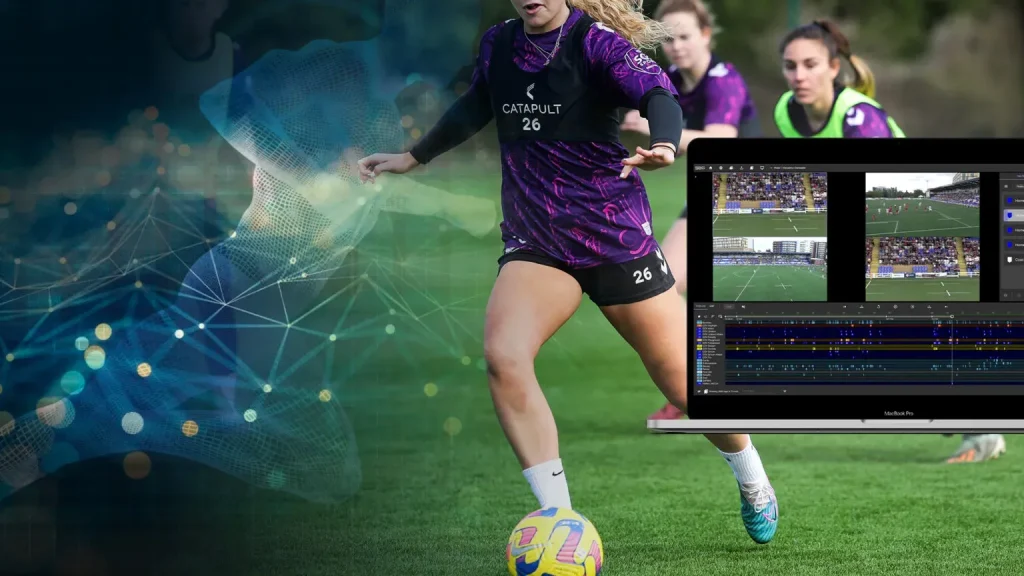
Data-driven monitoring and analytics are central to Peak Performance Sports Training Techniques. Wearables, video analysis, and performance tests deliver actionable feedback to adjust training plans, ensuring ongoing performance optimization and alignment with sports training methods.
What is the importance of recovery, sleep, and regeneration within Peak Performance Sports Training Techniques?
Recovery, sleep, and regeneration are essential components of Peak Performance Sports Training Techniques. Adequate rest, hydration, and nutrition recovery strategies enable tissue repair and adaptation, sustaining long-term peak performance across seasons and supporting conditioning for athletes.
| Technique | Focus Area | Key Takeaway |
|---|---|---|
| Periodization and Progressive Overload | Training cycles, progression, recovery | Macrocycles, mesocycles, and microcycles with progressive overload to peak at the right time while minimizing fatigue and sustaining progress. |
| Sport-Specific Skill Drills | Sport-specific demands, technique, timing, decision-making | Drills mirror sport demands to accelerate transfer to performance; example: starts for sprinters, footwork for basketball players. |
| High-Intensity Interval Training (HIIT) | Aerobic and anaerobic system training, time efficiency | Short bursts of max effort with brief rests build tolerance to lactate and support late-game intensity when used judiciously. |
| Strength and Resistance Training | Multi-joint lifts and sport-specific strength work | Foundational power for speed, jumps, and stability; plan loads to preserve technique and progress with periodization. |
| Plyometrics and Power Development | Stretch-shortening cycle, explosive strength | Incorporates plyometrics, medicine ball work, and depth jumps with proper progression and recovery to boost accelerations and jumps. |
| Speed and Agility Work | Sprint mechanics, acceleration, change of direction | Drills blend technique with progressive loads (resisted sprints, hills, ladders, cones) to improve performance under pressure. |
| Mobility, Flexibility, and Movement Quality | Mobility routines, dynamic warm-ups, stabilization | Movement quality underpins all techniques; integrate mobility daily to reduce injury risk and improve technique. |
| Neuromuscular Activation and Warm-Ups | Neuromuscular priming, activation, explosive prep | Warm-ups optimize neuromuscular efficiency and readiness for high-quality training through targeted drills. |
| Deliberate Practice and Skill Acquisition | Purposeful practice, feedback, componential learning | Focused repetition with feedback drives progressive skill improvement and decision-making under pressure. |
| Recovery, Sleep, and Regeneration | Rest, hydration, nutrition recovery | Adequate recovery consolidates gains and reduces injury risk; plan rest and light sessions into every cycle. |
| Nutrition Timing and Fueling | Carbs, proteins, fluids timing; fueling plans | Proper fueling supports training quality and adaptation; align with workloads and tolerance. |
| Mental Skills Training and Focus | Mental toughness, goal setting, visualization | Supports calm, focus, and confidence; integrate mental strategies with physical practice. |
| Data-Driven Monitoring and Analytics | Performance metrics, wearables, video analysis | Track progress and adjust plans with data to prevent stagnation and drive improvements. |
| Injury Prevention and Prehab | Hip/knee/ankle stability, scapular control | Proactive routines reduce downtime and support long-term Peak Performance. |
| Goal Setting and Sustainable Routines | Clear long-term and short-term goals, sustainable habits | Motivation and direction through consistent, balanced training; enables long seasons of success. |